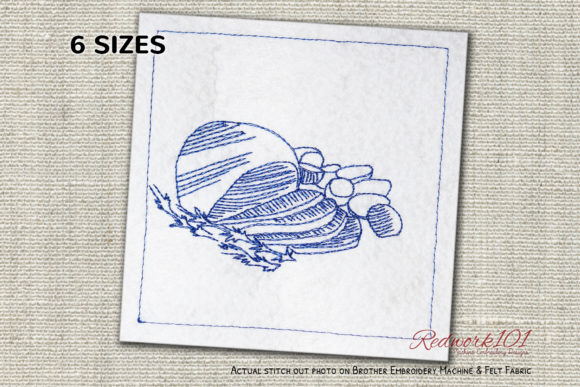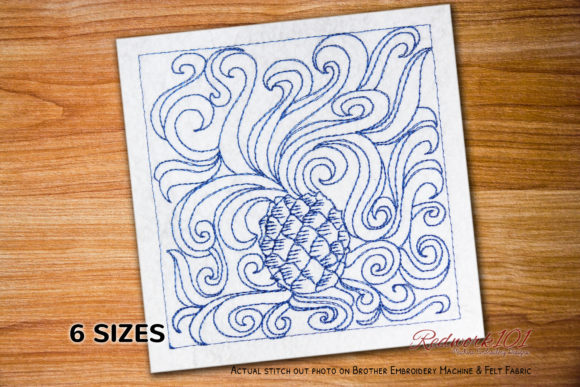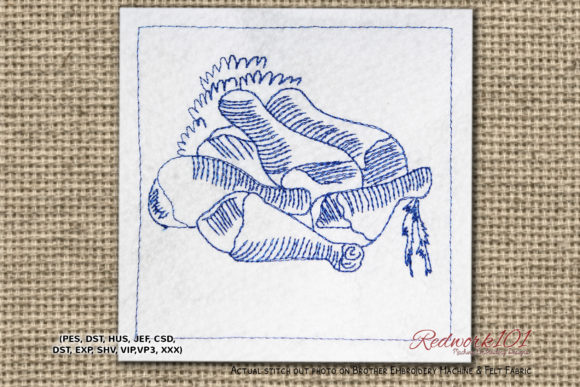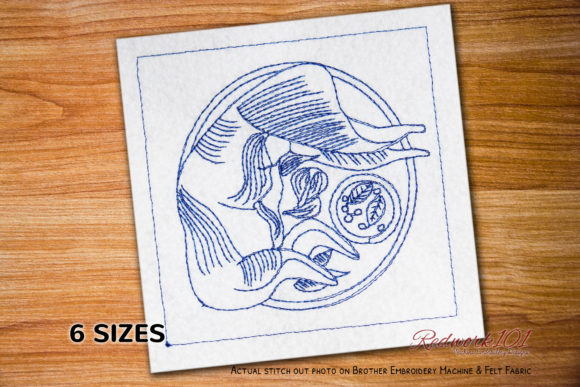
Pork Chop Lineart: A Charming Food-Themed Embroidery Design
First Impressions: Sweet, Simple, and Surprisingly Versatile
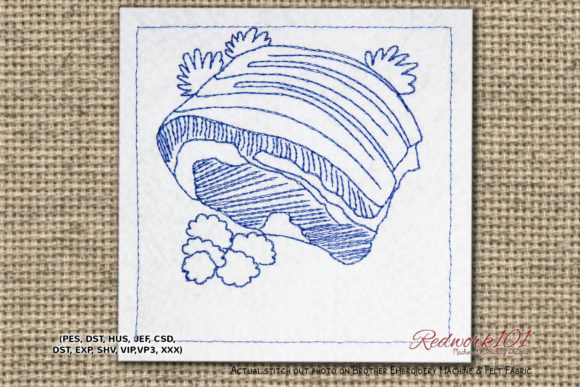
As an embroidery designer who’s tested hundreds of digital embroidery files for gift shops and Etsy sellers, I was immediately drawn to Pork Chop Lineart—not for its culinary irony, but for its quiet confidence. This isn’t a fussy, overly detailed food motif. It’s clean, confident line art with gentle curves and balanced negative space. The mood is warm and handmade—not cartoonish or kitschy, but approachable and sincere. It reads as both modern and timeless: think rustic kitchen charm meets minimalist nursery aesthetic. There’s no clutter, no forced cuteness—just the quiet joy of a well-drawn pork chop, rendered with intention.
Why It Works So Well for Personalized Gifts
Pork Chop Lineart shines brightest when stitched onto items that carry emotional weight. Imagine it centered on a soft cotton baby blanket—paired with a monogrammed initial or birth date in delicate satin stitch nearby. Or stitched onto a linen pillow cover for a new parent’s kitchen nook, where food, family, and daily ritual intersect. It’s equally at home on a wedding keepsake apron (yes—aprons make wonderful heirloom gifts!), a custom tote for a food-loving couple’s registry, or even a framed embroidered towel gifted to a chef-in-training.
For Etsy sellers and small shop owners, this design bridges categories effortlessly: Food meets Embroidery, but more importantly, it meets *meaning*. Customers don’t buy pork chops—they buy nostalgia, inside jokes, shared meals, and the comfort of home. That resonance elevates any personalized gift from decorative to deeply personal.
Where It Shines—and Where to Proceed With Care
This machine embroidery design excels on stable, medium-weight fabrics: crisp cotton tea towels, smooth linen pillow covers, tightly woven baby blankets, and structured tote bags. Its line-art simplicity means it holds up beautifully on textured surfaces—like terry cloth towels—where busier designs would blur or lose definition.
That said, use thoughtful judgment in these scenarios:
- Small lettering or names: Pork Chop Lineart itself contains no text—so if you’re adding a name or date, keep font size generous (≥8mm height) and avoid ultra-thin fonts on dense fabrics.
- Stretchy or delicate baby clothes: While charming on onesies in theory, the design’s open lines may shift on knits. Always test on scrap fabric first—and consider using tear-away + cut-away stabilizer combo.
- Curved surfaces (mugs, curved tote handles): Not applicable here—it’s flat-line art, so avoid wrapping it around contours unless you’re digitizing a custom version.
- Dark fabric: The lineart relies on contrast. On navy or charcoal, choose bright white, cream, or pale yellow thread—not beige or gray—to ensure clarity in photos and in person.
- Frequent washing: Like all custom embroidery, durability depends on thread quality and stabilizer use. For embroidered towel or blanket embroidery, lock stitches well and trim threads cleanly.
Design Flexibility: Beyond the Box Stitch
The product note mentions “The Box Stitch shown in the picture is optional”—and that’s key. Many versions include a subtle outer border, often in a contrasting thread color. But since “the color of the outer box is a different color in most of the designs unless it is part of the design itself,” you’re free to omit it entirely. That flexibility makes Pork Chop Lineart highly adaptable: skip the box for a softer look on nursery decor; keep it for structure on a market-ready small shop product; or recolor it to match your brand palette (e.g., sage green for farmhouse kitchens, blush pink for baby gifts).
How It Elevates Your Handmade Product Story
In today’s crowded digital marketplace, customers scroll fast—but pause for authenticity. Pork Chop Lineart feels intentionally handmade, not mass-produced. That perception boosts trust, especially for Etsy sellers and craft fair vendors. When photographed thoughtfully—say, on a folded linen towel beside fresh herbs or nestled in a baby’s crib—it tells a story before a word is read. That visual narrative increases buyer engagement, improves conversion, and encourages shares on social media.
It also invites customization without complexity: add a single initial, a tiny heart, or a short phrase like “Home Cooked” in complementary script. No need to overdesign—Pork Chop Lineart gives your handmade product quiet confidence.
Practical Embroidery Notes Every Maker Should Follow
Before stitching your first customer order, take these steps:
- Test on scrap fabric—same type and weight as your final product. Check for puckering, thread breaks, or skipped stitches.
- Confirm thread color contrast against both light and dark fabric mockups. What reads clearly on white may vanish on black.
- Review hoop size requirements. If unstated, assume standard 4x4 or 5x7—verify before digitizing adjustments.
- Assess stitch density. Line art should be low-to-moderate density—over-stitching will stiffen delicate items like baby blankets.
- Use appropriate stabilizer: lightweight cut-away for knits, tear-away for stable wovens, and fusible + tear-away for towels.
- Compare light/dark fabric mockups digitally before stitching—many design software tools allow quick recolor previews.
- Inspect small details post-stitch: check corners, curve continuity, and thread tension on the back.
- Confirm commercial licensing before selling finished products. Since this is a digital embroidery file, ensure your source permits resale of physical goods.
A Final Thought for Gift Makers
Pork Chop Lineart reminds us that the best personalized gift doesn’t shout—it resonates. It’s not about the subject matter alone, but how that subject connects to memory, identity, and care. Whether stitched onto a wedding apron, a baby’s first kitchen-themed blanket, or a chef’s favorite tote, it carries warmth without pretense. For embroidery makers building a reputation for quality, charm, and thoughtful detail—this is a quietly powerful addition to your commercial embroidery library.