Ladybug Scribble Stitch Review
A Playful, Hand-Drawn Vibe That Stands Out
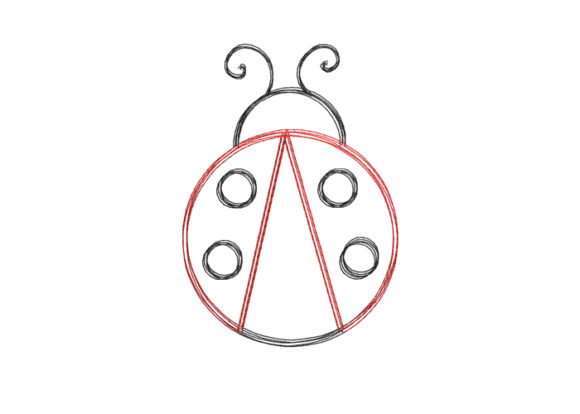
As an embroidery designer who’s stitched everything from monogrammed linen napkins to boutique baby onesies, my first impression of Ladybug Scribble Stitch was immediate: it feels like a sketch brought to life. This isn’t a stiff, symmetrical bug—it’s bouncy, asymmetrical, and full of personality. The scribble-style outline gives it movement, while the applique construction adds dimension without overwhelming density. It reads as friendly, whimsical, and intentionally imperfect—ideal for handmade products where charm matters more than clinical precision.
Fits Naturally Into Real Projects—Not Just Digital Mockups
I reviewed Ladybug Scribble Stitch before committing to a customer order for a set of organic cotton kitchen towels and matching aprons. Its scale and structure made sense right away: the body fits cleanly in a 4” hoop, and the antennae extend just enough to read clearly without requiring rehooping. I also tested it on a lightweight sweatshirt for a seasonal Etsy listing—and because it’s an applique design, the base fabric showed through thoughtfully, letting the texture of the garment complement rather than compete with the stitch work.
It shines especially well on items where softness and approachability matter: baby blankets (paired with gentle pastel thread colors), pillow covers (where satin stitch details catch light beautifully), and tote bag designs meant for farmers’ markets or craft fairs. As a machine embroidery design, it avoids the trap of looking “too digital”—the slight variation in line weight and the subtle running stitch accents mimic hand-drawn energy, which helps handmade product photography feel authentic and warm.
Practical Performance Across Fabric Types & Use Cases
Embroidery isn’t just about how a design looks on screen—it’s about how it behaves under needle and thread. Here’s what I observed with Ladybug Scribble Stitch:
- On stretchy fabric: Used on a ribbed cotton cap, it held up well—but only after switching to a cutaway stabilizer and reducing top tension slightly. The applique base layer anchors the design, so distortion is minimal even on curved surfaces.
- On dark fabric: Tested on navy denim and charcoal terry cloth. The satin stitch legs and head details popped nicely with high-contrast thread (white or pale yellow), but I recommend checking thread color contrast early—especially since the scribble outline relies on clean edge definition.
- On textured or napped fabric: Worked reliably on terry kitchen towels when paired with medium-weight tear-away stabilizer. Dense fill stitch areas stayed crisp, and the small antennae didn’t vanish into the pile.
- For frequent washing: Because it’s primarily applique with strategic satin and fill stitch accents—not all-over dense fill—it maintained integrity after three cold wash/dry cycles on a baby blanket sample.
What It Adds to Your Handmade Brand—Beyond Just Stitches
Ladybug Scribble Stitch isn’t just decorative; it subtly elevates perceived value. Customers browsing Etsy or local boutiques respond to designs that feel intentional and expressive—not generic clip art. This applique design reads as curated, not mass-produced. When used consistently across product lines (e.g., matching embroidered patches + pillow covers + nursery decor), it supports brand consistency without limiting versatility.
It also improves giftability. A personalized gift featuring Ladybug Scribble Stitch on a linen tea towel or organic cotton onesie communicates care and attention to detail—something buyers notice and mention in reviews. And for digital product sellers building design assets, this embroidery file pairs well with coordinating elements (like leaf sprigs or simple stems) to create cohesive seasonal collections within the Bugs category.
Smart Prep Steps Before You Stitch
Before using Ladybug Scribble Stitch on a client project or inventory run, here’s what I always do:
- Run a test on scrap fabric matching your final substrate—especially important for caps, towels, or baby items where fit and finish are non-negotiable.
- Review stitch density visually in your embroidery software. While not overly dense, the satin stitch sections benefit from moderate speed settings to avoid thread breakage or skipped stitches.
- Confirm hoop size compatibility. This digital embroidery file works comfortably in standard 4x4 hoops, but double-check if you’re planning to resize—some details (like the tiny dot eyes) may lose clarity below 80% scale.
- Compare light and dark fabric mockups side-by-side. Satin stitch leg definition shifts noticeably depending on contrast, so choose thread colors deliberately—not just by palette name.
- Inspect small details post-stitching: antennae tips, eye placement, and applique edge smoothness. A quick trim with sharp snips makes a visible difference in presentation.
- Verify licensing terms on the Creative Fabrica product page before selling finished items—especially for commercial embroidery or digital resale bundles.
Final Thoughts for Embroidery Designers & Creative Entrepreneurs
Ladybug Scribble Stitch earns its place in my working library—not as a novelty, but as a reliable, expressive tool. It performs well across custom apparel, nursery decor, and boutique merchandise, and its hand-drawn character helps handmade products stand out in crowded digital marketplaces. It won’t replace technical precision designs for corporate uniforms or fine monogramming, but for anyone building a brand around warmth, playfulness, and craftsmanship, it’s a thoughtful addition.
If you’re evaluating Creative Fabrica embroidery files for real production—not just inspiration—this embroidery file delivers consistent results with minimal fuss. Just remember: great design starts with smart prep. Test, stabilize, and trust your instincts. And when your next customer unboxes a sweatshirt or baby blanket with Ladybug Scribble Stitch stitched just so? That’s when the quiet confidence of a well-chosen machine embroidery design really shows.