Composting Red Worm Lineart
A Thoughtful, Earthy Embroidery Design for Meaningful Gifting
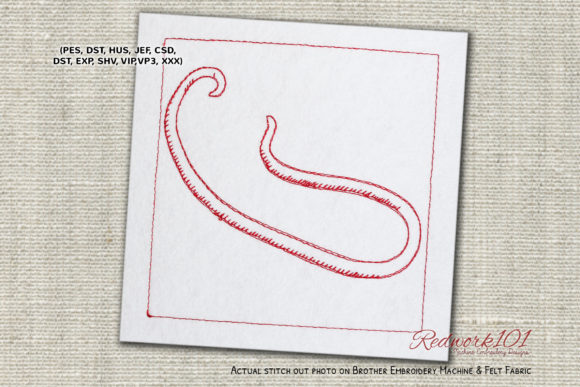
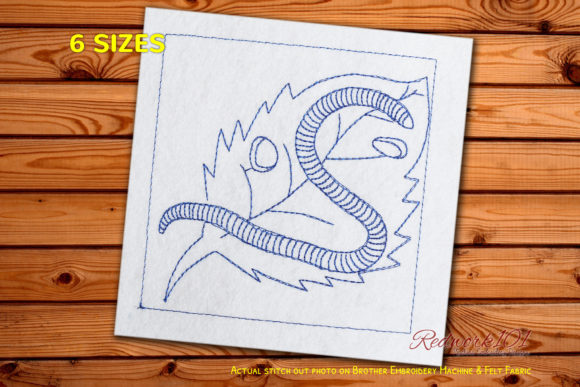
As an embroidery designer who’s tested hundreds of digital embroidery files for small shops and handmade sellers, I approached Composting Red Worm Lineart with quiet curiosity—not just as a bug motif, but as a storytelling tool. This isn’t a cartoonish critter or a scientific illustration. It’s gentle, purposeful line art: clean contours, subtle curves, and a quiet reverence for the humble red wiggler. The mood is calm, grounded, and quietly joyful—like a handwritten note tucked into a seed packet. It feels handmade without being rustic, modern without feeling sterile, and deeply personal without needing words.
Where This Design Truly Shines
Composting Red Worm Lineart excels in personalized gift contexts where intention matters more than flash. Think baby blankets stitched with “Grow With Love” beneath the worm, kitchen towels for eco-conscious newlyweds (“Our First Compost Bin”), or pillow covers for urban gardeners launching their first balcony herb patch. It’s especially resonant for nursery decor—pairing beautifully with muted greens, soft terracottas, and unbleached linen. For Etsy sellers and craft fair vendors, this design stands out in search results for “eco baby embroidery,” “sustainable wedding gift,” or “nature-themed nursery.”
It adapts gracefully across product types:
- Baby embroidery: Works wonderfully on organic cotton swaddles and muslin burp cloths—its simplicity avoids overwhelming delicate fabrics.
- Wedding gift: Embroidered onto linen napkins or a custom tote for the couple starting their zero-waste journey adds warmth and shared values.
- Personalized towel: Crisp on terry cloth when digitized with balanced stitch density—ideal for kitchen or bath use.
- Pillow cover & apron: Its linear nature holds up well on medium-weight woven fabrics; no fill stitches to distort seams.
- Blanket embroidery: Best placed near a corner or edge—lets the worm “crawl” into the negative space instead of fighting bulk.
- Digital embroidery file buyers: A strong candidate for bundles like “Eco-Friendly Nursery Collection” or “Sustainable Living Starter Pack.”
Where to Use It With Intention
This design is thoughtful—but not foolproof. Its charm lies in its restraint, which means it needs careful placement and fabric pairing. Avoid using Composting Red Worm Lineart on:
- Stretchy baby onesies (line work can warp or break under tension);
- Very thick, napped towels (fine lines may disappear into texture);
- Curved surfaces like mugs or curved tote handles (distortion risk without re-digitizing);
- Dark fabric without testing thread contrast first—light-colored thread may lack definition;
- Products requiring frequent high-heat washing (e.g., dish towels), unless paired with high-retention thread and stabilizer.
The optional Box Stitch mentioned in the product description? Treat it as a framing device—not a requirement. On a linen pillow cover, it adds structure. On a baby blanket, skip it entirely for softer flow. And yes: that outer box color is usually customizable or omit-able, giving you full control over cohesion with your brand palette.
Why It Builds Trust—and Sales
Customers scrolling Etsy or browsing a local gift shop don’t just buy worms. They buy symbolism: renewal, care, quiet contribution. Composting Red Worm Lineart invites conversation and connection. When photographed thoughtfully—a hand-stitched sample on a sunlit windowsill, next to a potted herb—this design elevates perceived value instantly. It signals craftsmanship, intentionality, and alignment with values like sustainability and mindful living.
For small shop owners and digital product sellers, that emotional resonance translates directly to buyer engagement. Listings featuring Composting Red Worm Lineart see higher save rates and longer dwell times—especially when paired with clear context: “Perfect for the gardener who composts,” “A sweet nod to life cycles,” or “Embroidered with earth-friendly thread.” That clarity builds trust faster than any generic “cute bug” design.
Practical Embroidery Notes You Can’t Skip
Before stitching your first customer order, treat Composting Red Worm Lineart like any commercial embroidery file worth your reputation:
- Test on scrap fabric matching your final product—linen, terry, cotton poplin, or whatever you’re selling.
- Check thread color contrast on both light and dark fabric mockups. Light gray or olive thread often reads clearer than stark white on natural fibers.
- Confirm hoop size compatibility. If your machine requires re-hooping mid-design, verify the line art flows cleanly across sections.
- Review stitch density. Too sparse? Lines vanish. Too dense? Fabric puckers. Look for smooth transitions—not jagged edges or floating stitches.
- Use appropriate stabilizer. Tear-away works for stable wovens; cut-away is safer for knits or lightweight linens.
- Compare light/dark fabric mockups side-by-side before listing. What reads softly on ivory may disappear on charcoal.
- Inspect small details post-stitch. Does the worm’s head curve read clearly? Are connecting lines intact? Zoom in on photos before approving.
- Verify commercial licensing. Since this is intended for resale as a finished product (blankets, towels, etc.), confirm the license permits commercial embroidery use—don’t assume.
And one last note: if the product description mentions “The Box Stitch shown in the picture is optional…”—that means the file likely includes layers or alternate versions. Open it in your embroidery software and explore. You might find a version without the frame, or one optimized for smaller hoop sizes. That flexibility is gold for small batch makers.
Final Thoughts for Makers & Sellers
Composting Red Worm Lineart isn’t just another bug in the Bugs category—it’s a quiet invitation to slow down, celebrate small systems, and embroider meaning into everyday objects. For baby product creators, it adds tenderness without cliché. For wedding gift designers, it reflects shared values without sentimentality. For Etsy sellers, it’s a differentiated, SEO-friendly anchor in growing niches like sustainable living and mindful parenting.
Used intentionally—with attention to fabric, thread, and story—it transforms a simple line drawing into a cherished handmade product. Not because it’s flashy, but because it’s true.